Knee Injections Before Replacement: Timing Matters
A large JBJS study linked steroid and gel injections within three months of knee replacement to higher infection risk. Here is what patients should know.

Knee Injections Before Replacement: Timing Matters
A knee injection and a knee replacement should not be treated as unrelated events.
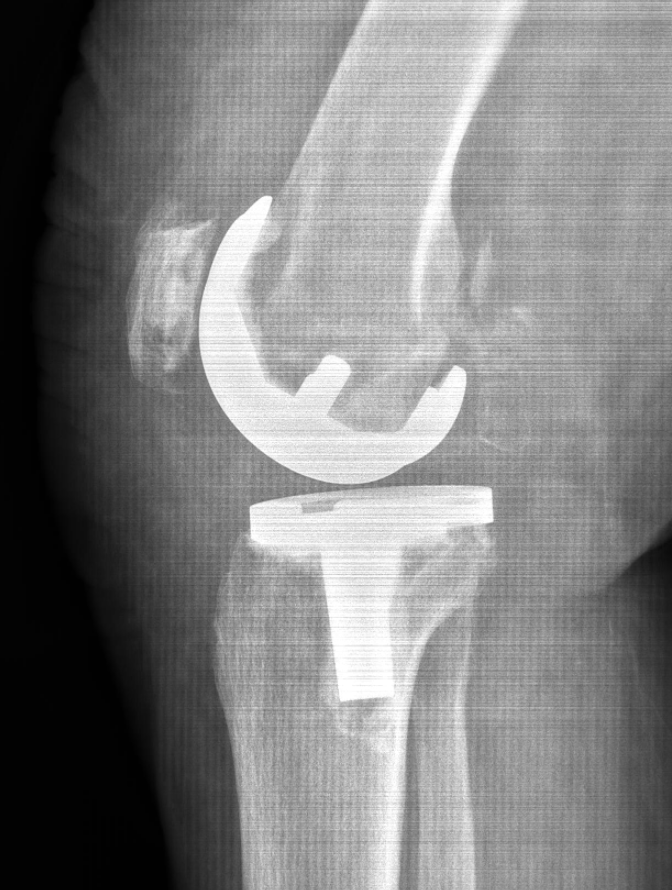
In a large study published in The Journal of Bone and Joint Surgery, steroid and hyaluronic acid injections given in the operative knee within three months of total knee replacement were associated with a higher rate of postoperative joint infection.
That does not prove the injection caused the infection. It also does not establish that exactly three months is a guaranteed safe cutoff for every patient. It does mean that the date of the last injection belongs in the surgical discussion.
Why the Timing Matters
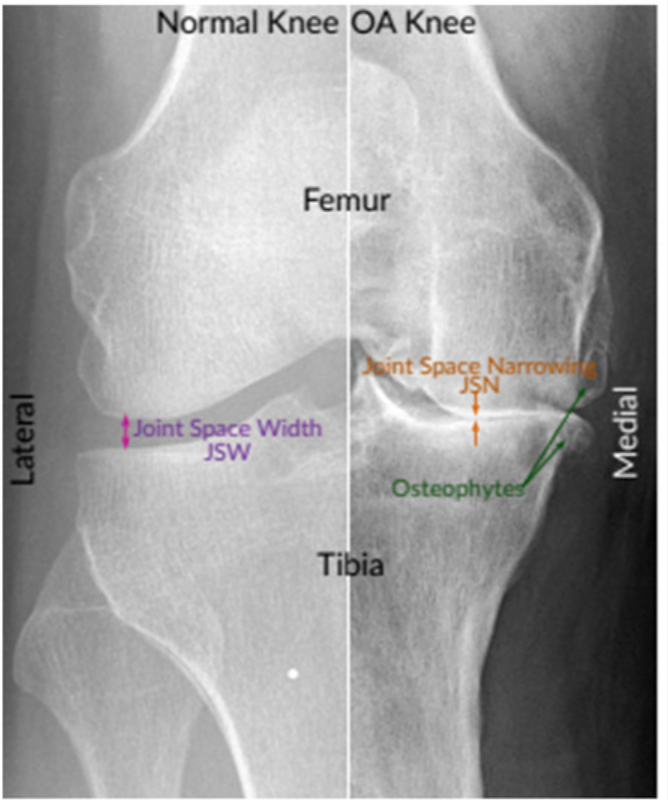
Knee injections are commonly used to control osteoarthritis symptoms. Some patients receive a corticosteroid injection. Others receive hyaluronic acid, often described as a "gel" injection.
These treatments may be given months or years before surgery. Problems arise when another injection is given while knee replacement is becoming a realistic near-term option.
An injection may provide temporary relief, but it may also affect when a surgeon is comfortable proceeding with replacement. That trade-off should be discussed before the injection, not discovered afterward.
What Did the Researchers Study?
The researchers reviewed a national private-insurance database and identified 58,337 patients who underwent a unilateral primary total knee replacement.
They determined whether the same knee had received:
- A corticosteroid injection
- A hyaluronic acid injection
- No injection during the preceding year
Patients who had received both injection types were excluded so the researchers could evaluate the medications separately.
The outcome was periprosthetic joint infection diagnosed within six months after knee replacement. The statistical analysis adjusted for age, sex, and recorded medical conditions.
What Did the Study Find?
The unadjusted six-month infection rates were:
| Treatment before knee replacement | Infection rate |
|---|---|
| No injection during the prior year | 2.74% |
| Corticosteroid within three months | 3.25% |
| Hyaluronic acid within three months | 4.18% |
Compared with the no-injection group, the raw numbers represented approximately:
- 5 additional infections per 1,000 operations after a corticosteroid injection within three months
- 14 additional infections per 1,000 operations after a hyaluronic acid injection within three months
After accounting for age, sex, and comorbidities, injections within three months remained associated with higher odds of infection:
- Corticosteroid: odds ratio 1.21
- Hyaluronic acid: odds ratio 1.55
The study did not identify a statistically significant increase when the injection had been given more than three months before surgery.
Did Gel Injections Appear Worse Than Steroid Injections?
The raw infection rate was higher in the hyaluronic acid group, but that does not establish that hyaluronic acid was more dangerous.
When the researchers directly compared hyaluronic acid with corticosteroid, the difference was not statistically significant. The hyaluronic acid estimate was also based on a much smaller group: 646 patients had received hyaluronic acid within three months, compared with 6,653 who had received corticosteroid.
The proper conclusion is: both injection types were associated with greater infection risk when given within three months in this study.
The proper conclusion is not: gel injections were proved to be more dangerous than steroid injections.
Did the Number of Injections Matter?
The researchers found no significant difference between patients who received one injection and those who received multiple injections during the three-month period.
That result should not be interpreted to mean multiple injections are safe or protective. It means this particular database study did not identify an additional measurable increase based on the number of injections.
What Does This Study Not Prove?
This was not a randomized clinical trial. The researchers examined billing records after care had already occurred.
That creates several important limitations:
- Insurance coding may be incomplete or inaccurate
- The database cannot fully describe injection technique or sterility
- The exact needle approach, medication dose, and office environment were not available
- Patients receiving injections may have differed from patients who did not in ways the database could not measure
- The study identified an association, not the biological mechanism responsible for it
- A lack of statistical significance beyond three months does not prove that risk becomes zero on day 91
The study supports caution. It does not provide mathematical certainty.
Has Newer Research Settled the Issue?
Not completely.
A 2023 systematic review and meta-analysis combined 14 studies involving more than 370,000 patients. Overall injection history was not clearly associated with higher infection risk, but corticosteroid injections given within three months of total knee replacement were associated with increased infection odds, with a pooled odds ratio of 1.26.
A more recent observational study of 43,219 knee replacements found no significant increase among patients who underwent an injection or aspiration within 90 days. However, nearly 94% of the procedures in that study occurred between 61 and 90 days before surgery, making it less informative about injections given during the first few weeks before an operation.
A separate 2025 matched study of hyaluronic acid injections found increased infection risk when the injection occurred within two months of total knee replacement.
The honest interpretation is that the literature remains somewhat mixed. The concerning signal appears strongest when an injection is given close to surgery, but the precise boundary and size of the risk remain unsettled.
What Do Current Timing Recommendations Say?
The 2023 American College of Rheumatology and American Association of Hip and Knee Surgeons guideline addresses patients whose osteoarthritis is severe enough for arthroplasty and whose nonoperative treatment has failed.
It conditionally recommends proceeding with indicated joint replacement rather than delaying surgery merely to require additional nonoperative treatments, including another injection. Its rationale also acknowledges the concern for infection when surgery occurs within three months of an intra-articular glucocorticoid injection. The guideline emphasizes that the underlying evidence is low or very low quality.
This is an important distinction:
- A patient should not be forced to obtain another injection simply to postpone an otherwise appropriate replacement
- A patient who has already received an injection may still need an individualized discussion about operative timing
Dr. Blythe's Read
Once knee replacement has become a realistic near-term possibility, another injection should not be treated as a routine step.
The decision becomes a trade-off:
- Possible temporary symptom relief
- The possibility that surgery will need to be postponed
- A possible increase in infection risk if surgery follows too closely
- The patient's current pain, function, and overall health
The surgeon planning the replacement should be involved before another injection is performed.
Patients should know and report:
- The exact injection date
- Which knee was injected
- Whether it was steroid, hyaluronic acid, or another product
- The product name, when available
- Who administered it
When the date is uncertain, obtaining the actual medical record is better than guessing.
Bottom Line
This study does not prove that knee injections cause joint-replacement infections. It does show that injections given close to total knee replacement may carry consequences beyond temporary pain relief.
The practical lesson is straightforward: when knee replacement is on the horizon, the date and type of the last injection matter. Coordinate the injection plan with the surgeon before proceeding.
This article is educational and does not replace an individualized recommendation from the treating surgeon.
Primary reference: Richardson SS, Schairer WW, Sculco TP, Sculco PK. Comparison of Infection Risk with Corticosteroid or Hyaluronic Acid Injection Prior to Total Knee Arthroplasty. J Bone Joint Surg Am. 2019;101:112-118.
Ready to discuss your knee replacement options? Request an appointment with Dr. Blythe or call 405-418-4500.
Explore Topics
Written by
Joseph Blythe, DO
Content creator and writer sharing insights and stories.