Services
Full Continuum of Care
Evaluation, diagnosis, nonsurgical treatment, injections, biologic options, and surgery when structural correction is required.
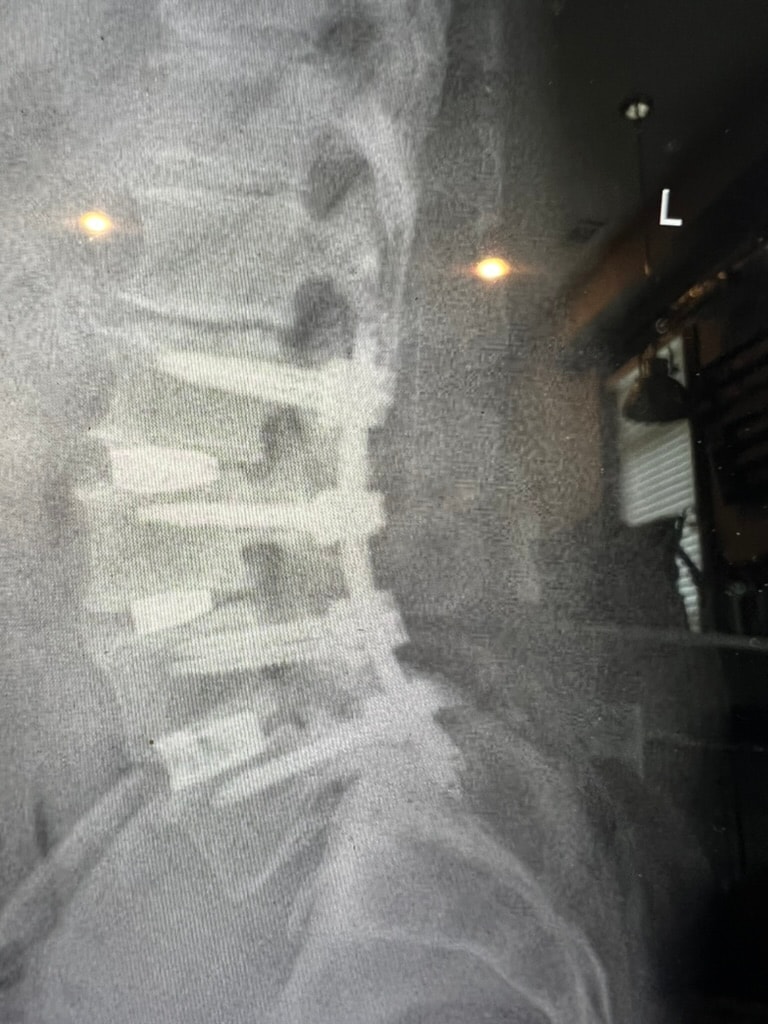
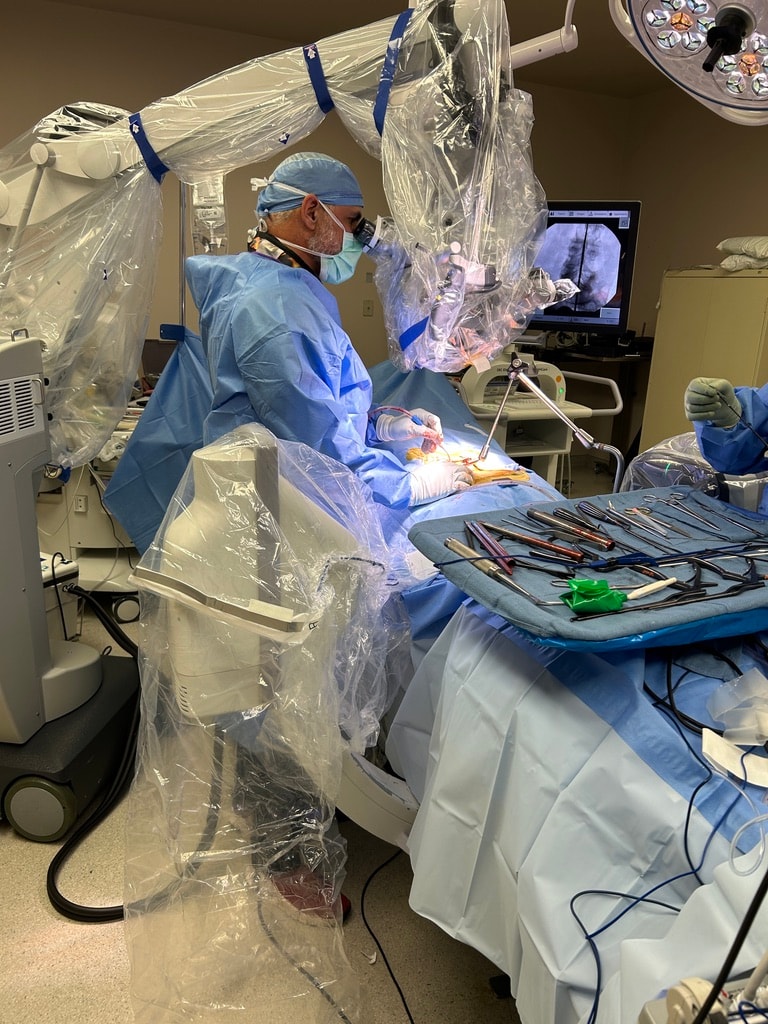
Endoscopic and Minimally Invasive Spine Surgery
Dr. Blythe performs endoscopic and true minimally invasive spine surgery for appropriately selected conditions. These are operative procedures performed to directly visualize and treat structural pathology, decompress the spinal nerves or spinal cord, and stabilize the spine when necessary. The objective is complete surgical correction with the least disruption to normal muscles, bone, and supporting structures.
Minimally invasive spine surgery is not defined merely by a small incision, a needle, a cannula, or a branded procedure. The operation must adequately remove the disc, bone, ligament, cyst, or other structure causing compression, or provide the stabilization required by the underlying condition.
Minimally Invasive Sacroiliac Joint Fusion
For appropriately selected patients whose symptoms have been traced to dysfunction, degeneration, or instability of the sacroiliac joint, Dr. Blythe performs minimally invasive SI joint fusion. The procedure is intended to stabilize the joint when a complete evaluation confirms it is the source of the patient's symptoms and nonoperative treatment has not provided adequate relief.
Sacroiliac joint fusion is an operative stabilization procedure. It is not the same as a sacroiliac joint injection, radiofrequency ablation, or another temporary pain-management procedure.
Shoulder Arthroscopy and Rotator Cuff Repair
Dr. Blythe performs shoulder arthroscopy and arthroscopic rotator cuff repair. Shoulder arthroscopy uses direct camera visualization and small surgical instruments to examine and treat pathology within and around the shoulder joint. Rotator cuff repair is commonly performed arthroscopically for appropriately selected tears.
Total Knee Replacement
For patients with advanced knee arthritis causing pain, stiffness, deformity, or functional limitation that has not responded to nonsurgical treatment, Dr. Blythe performs total knee replacement. The procedure removes damaged cartilage and bone and replaces the affected joint surfaces with prosthetic components to restore alignment and function.
Orthopedic Injections
Diagnostic and therapeutic injections may be used when appropriate to reduce inflammation, relieve symptoms, clarify the source of pain, or help patients continue rehabilitation and activity. Injections are selected according to the diagnosis and are not presented as a universal solution.
An injection may treat symptoms or assist with diagnosis. It does not remove a disc herniation, decompress a nerve, repair a torn rotator cuff, replace an arthritic knee, correct spinal instability, or fuse the sacroiliac joint.
Platelet-Rich Plasma and Orthobiologic Treatment
Dr. Blythe offers platelet-rich plasma injections for selected orthopedic conditions. PRP is prepared from a sample of the patient's own blood. The platelets are concentrated and then injected into the affected area to improve the local biologic environment. PRP is not presented as a cure or a substitute for surgery when structural repair or joint replacement is required. Its potential benefit depends on the diagnosis, the tissue involved, and appropriate patient selection.
Work Injuries and Motor Vehicle Accidents
Dr. Blythe evaluates and treats orthopedic injuries resulting from workplace accidents and motor vehicle collisions, including spine, shoulder, and knee injuries. He accepts appropriate workers' compensation and personal-injury patients. The evaluation and treatment approach is the same regardless of the mechanism of injury: identify the structural cause, explain the options, and recommend the appropriate course of care.
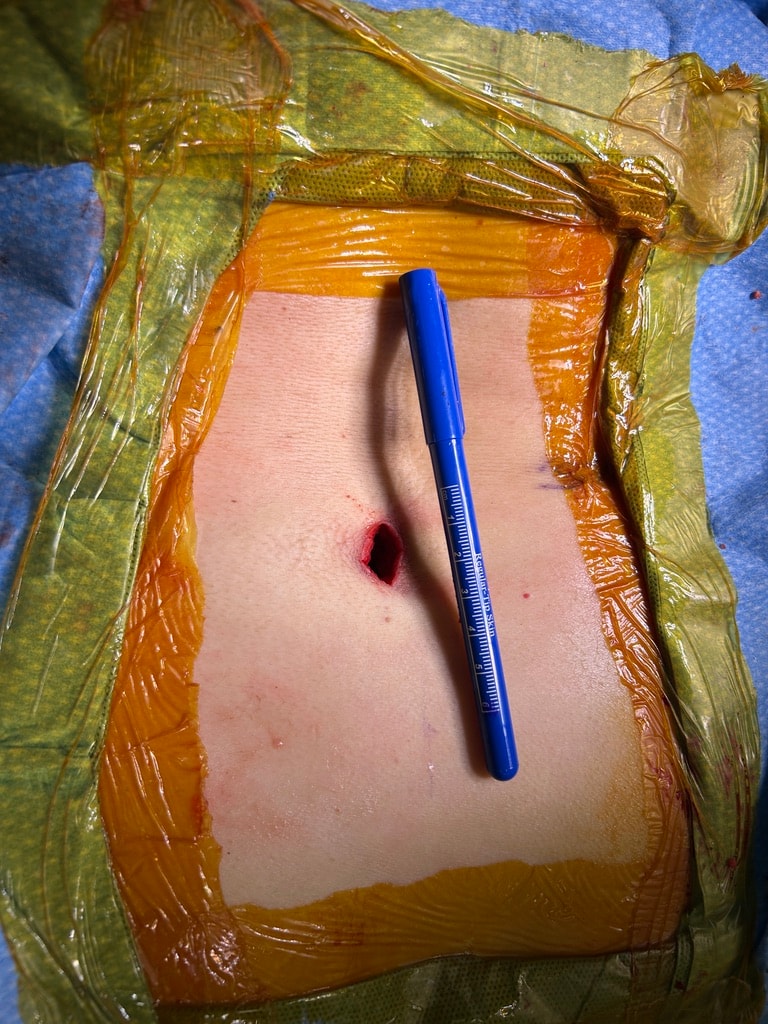
What "Minimally Invasive" Looks Like
Smaller incisions mean less disruption to surrounding tissue, less blood loss, and faster recovery.
Schedule a consultation.
Call the office directly or submit a request online. We will follow up within one business day.